




Table of Contents
What Is a Tummy Tuck?
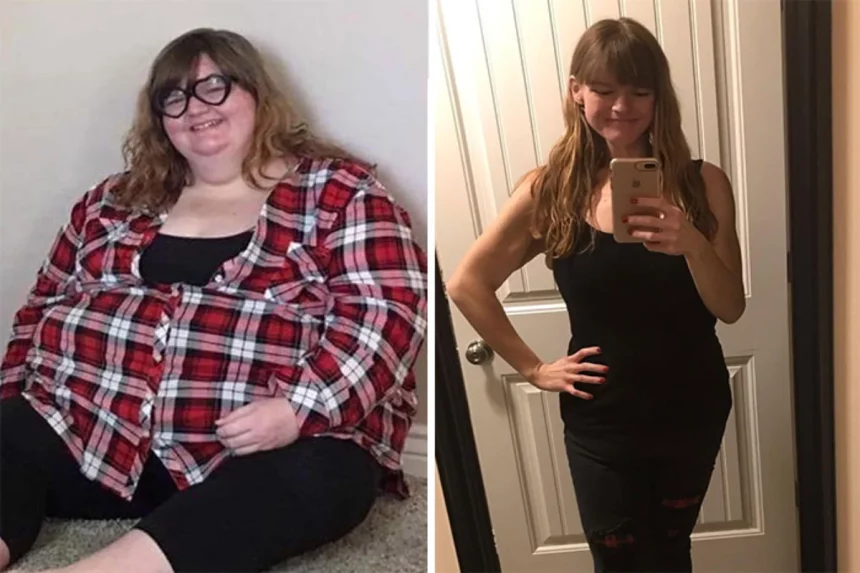
Have you ever gazed in the glass at the end of the day, after having lost weight or after life in general and said, My belly needs a drastic re-setting? A tummy tuck, also known as abdominoplasty is a procedure that entails the removal of body tissue and fat around your belly and tightening up muscles beneath the region. People like it because they would like to possess a flat and firmer belly which cannot be repaired only by diet and exercise. And it is not a quick remedy to shedding the pounds, but it is body contouring surgery when one has loose skin around the waist following pregnancy or drastic slimming down. Findings appear natural and sustainable provided that you maintain a constant weight.
Who Makes a Great Candidate?
Imagine a person who is over with the yo-yo dieting but has to grapple with an intractable pooch. Ideal candidates are: Feel good at their realistic goal weight. Good people who do not smoke (smoking retards recovery).
Disturbed by detached abs (diastasis recti) or elasticated skin. Not the case when you are about to make a drastic change in your weight or are pregnant soon- that will de-train the work.
Discuss it with a plastic surgeon, who is board-qualified; he or she will evaluate the skin elasticity and fitness level.
The Procedure: Step by Step
Tummy tucks are performed with general anesthesia and require 2-3 hours. Here’s the flow:
Surgeon cuts an incision (hip to hip) beneath bikini.
Cuts excess skin/fat, mends ab muscles.
Realign your belly button, where necessary.
Seals closed with drains to avoid fluid build-up.
Full tucks address the entire abdomen; mini tummy tucks are faster when addressing the lower belly only. Long versions deal with flanks as well- ideal once they have lost lots of weight.
Recovery: What to Expect
The first day is coarse, sore, swollen dressings.
Majority of them go home daily or the following day.
Week 1: Rest, no bending/lifting. Avoid long walks to avoid blood clots.
Weeks 2-4: Light activity; compression garment is beneficial to swelling.
Month 2+: Gym (doctor okay), scars heal in a year.
Tricks: Get assisted, keep hydrated, take medicine.
Complete benefits are seen after a period of 3-6 months with the swelling reducing.
Risks and Real Talk
There are risks as in any surgery; infection, scarring, numbness, or blood clots. These are cut down by selecting a competent surgeon. The cost is between 6-12,000 (average in the U.S.) most of which is not insurable except when it is medically necessary (e.g. rashes due to skin folds). Keep the outcomes on healthy meals and fundamental exercises. Go with liposuction to give sides a slim look.